Three Nights, One Cartoon: Inside Kids on AI Studio
What actually happens between Monday evening and the Thanksgiving table, night by night.
By Danielle Roberts, Founder of Kids on AI
Parents want to know what their child will actually do. Here is the complete shape of a Kids on AI Studio, using the Thanksgiving Premiere as the example. Three evenings on Zoom, eight students, ages ten to eighteen, and one finished cartoon premiered for the family on Thursday.
Nothing here is a lecture. The students build live. They leave with the work finished.
Before Night One
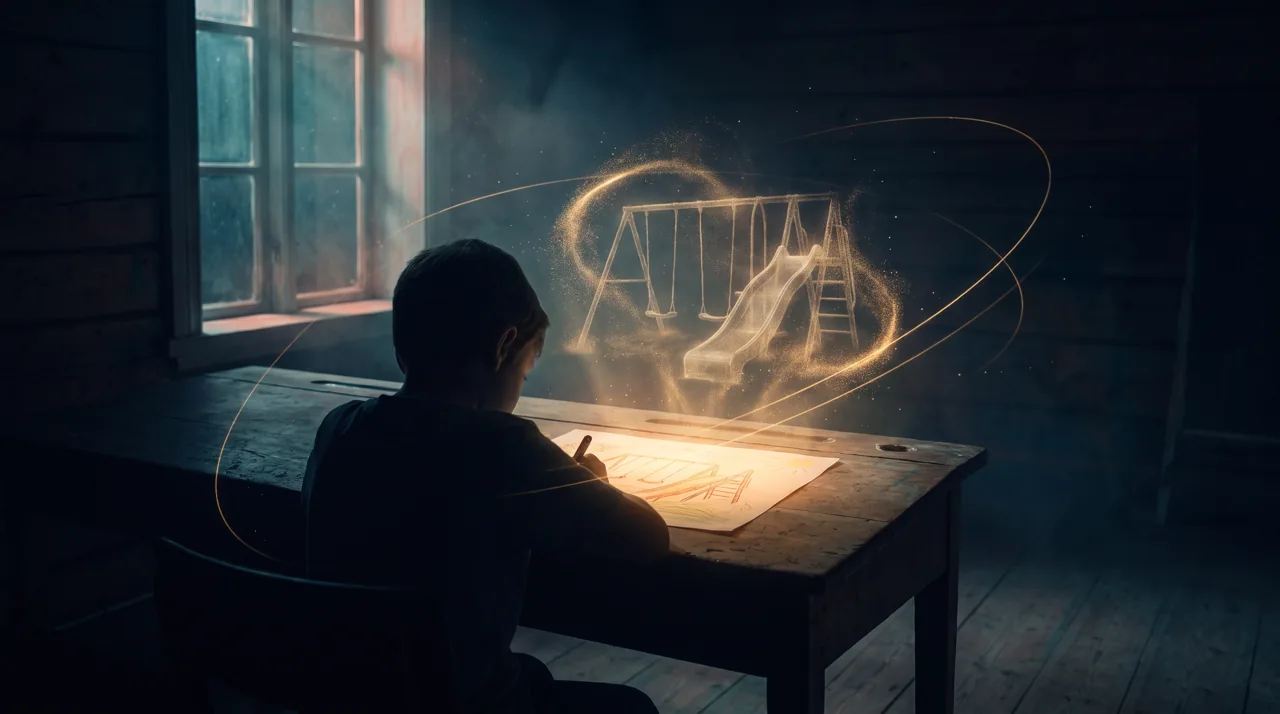
Each family receives one request. Have your child bring one thing they drew or want to draw. It does not need to be good. It needs to be theirs. A creature, a person, a vehicle, a place. The crayon drawing is the seed of everything that follows, and it is the proof, from minute one, that the idea came from the child.
Night One: Invent Your Hero
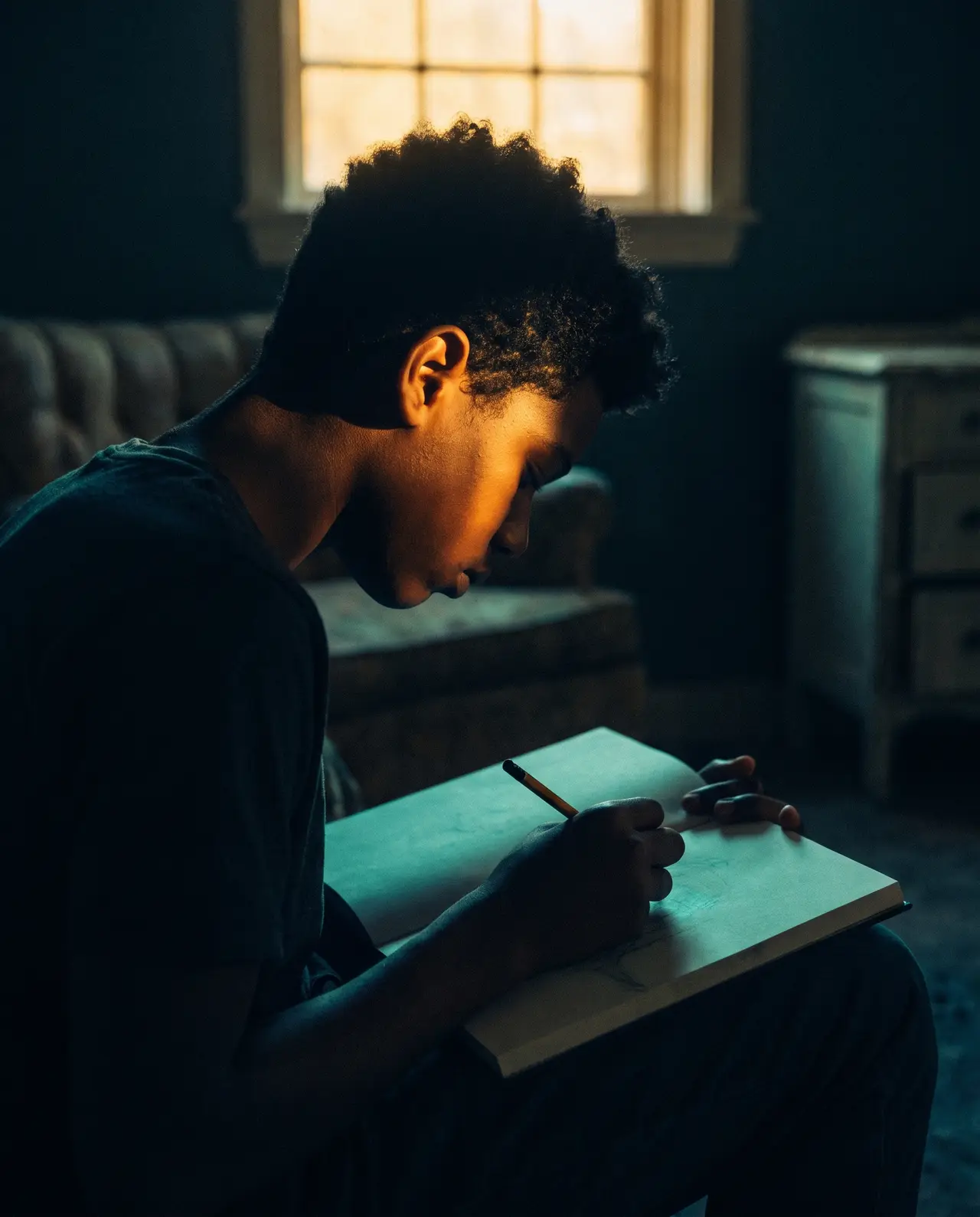
The first evening is about the character. Every student takes their drawing and answers the questions a director answers before a camera ever rolls. Who is this? What do they want? What are they afraid of? What do they look like from the side, from behind, when they are happy, when they are not?
Then we introduce AI for the first time, and we introduce it badly on purpose. The whole room gives the machine the same lazy prompt. The results come back generic, and usually with additions nobody asked for. That is the playground lesson, live. Then the room gives a directed prompt, built from the answers above, and the difference on screen does the teaching.
By the end of Night One, every student has a character sheet: their hero from multiple angles, consistent, and recognizably theirs.
Night Two: Build the Comic
The second evening is about story. Each student writes a short comic, four to six panels, starring their hero. We teach a simple structure: a want, an obstacle, a choice, a result. Children this age understand story better than most screenwriters because they have consumed thousands of them and have not yet been taught to overthink.
AI generates the panels under the student's direction, and this is where the seven questions become a reflex. What did it add? Is the character still mine? What do I change? Students reject more panels than they keep, and that rejection is the skill. By the end of Night Two, the comic exists, and so does the habit of sending the machine back to work.
The students reject more than they keep. The rejection is the skill.
Night Three: Bring It to Life
The third evening is about motion and voice. Each student chooses one panel, the one that matters most, and animates it. Their hero moves. Then they record the voice, or direct a voice, and the character speaks the line the student wrote.
This is the night the room goes quiet. Watching a drawing from Monday move and talk on Wednesday does something to a ten year old and does the same thing to a sixteen year old. Before we close, every student exports a finished file and writes one sentence for the premiere: what the family should look for.
The Wednesday session is recorded. A child traveling for the holiday finishes from a relative's house and still premieres Thursday.
Thursday: The Premiere
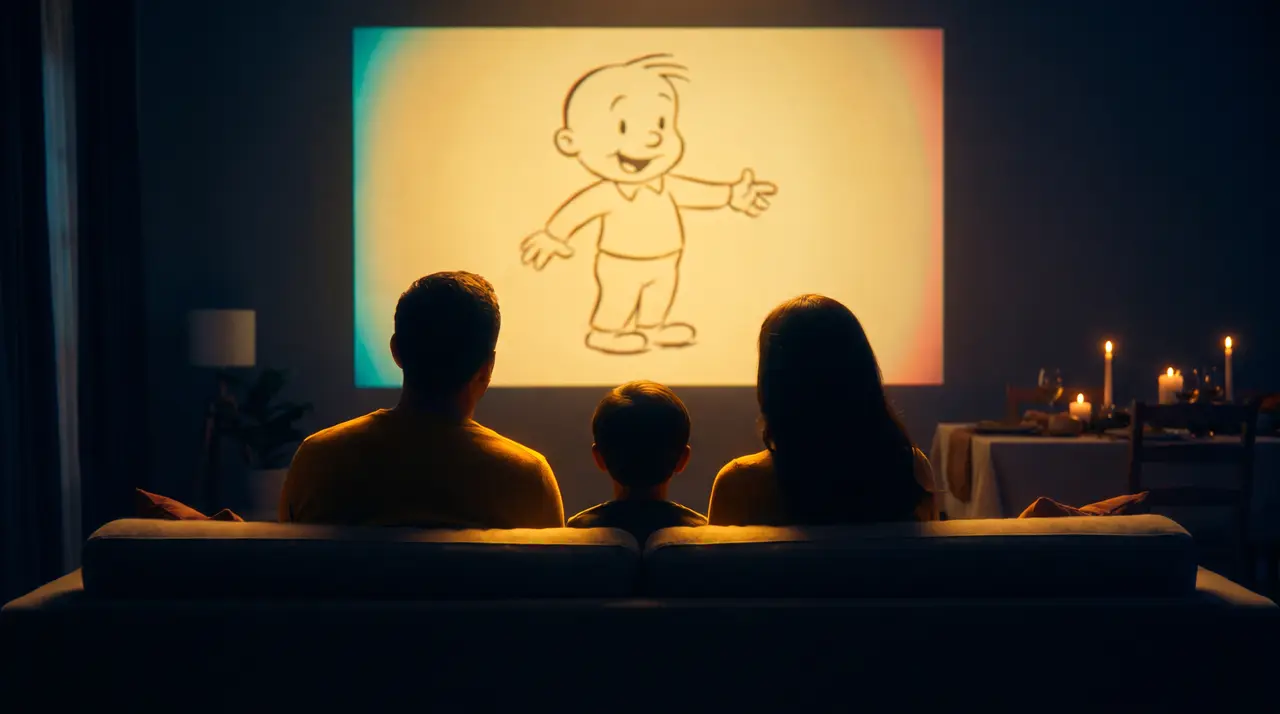
We do not run the premiere. The family does. Each student shows their cartoon at the table, on a phone or a laptop or the television, and reads their one sentence first. Then the family watches. Then, if the student wants, they explain what the machine tried to add and what they took out.
That last part is the one parents tell us about afterward. Not the cartoon. The explanation. Their child standing at the table describing a decision they made about a technology most of the adults present do not understand. That is the movement, in one room, on one holiday.
What your child leaves with
- A finished, original, animated cartoon starring a character they invented.
- A character sheet and a comic they can keep building on.
- The seven questions, running as a reflex.
- The Kids on AI Pledge, read aloud on Night One and signed by the student and a parent.
- Founding Future Shaper status, with their first name on the first Kids on AI Report.
What we do not do
We do not collect last names or ages inside the tools. We do not upload children's faces. We do not publish any student work without written consent from a parent. We do not teach children to use AI. We teach them to direct it.
The Thanksgiving Premiere runs November 23 to 25, 2026, with eight seats. Reserve a seat on the Studio page and we reply from imagine@kidsonai.com within one day.