Seven Questions Every Kid Should Ask AI
The complete questioning habit we teach in the Studio, printable, kid-readable, and built to outlast every tool.
By Danielle Roberts, Founder of Kids on AI
The Kids on AI Pledge has four lines. The second one is "I will question what AI gives me." Parents often ask what that means in practice. What should a child actually ask?
Here are the seven questions we teach, in the order we teach them. A child who runs these seven before accepting any AI output is doing more critical thinking than most adults who use the same tools. Print them. Put them by the computer. The habit matters more than the tool.
1. What did I actually ask for?
Before you look at the output, say out loud what you wanted. One sentence. Children skip this constantly, and so do adults. If you cannot say what you wanted, you cannot tell whether you got it.
2. What did it add that I did not ask for?

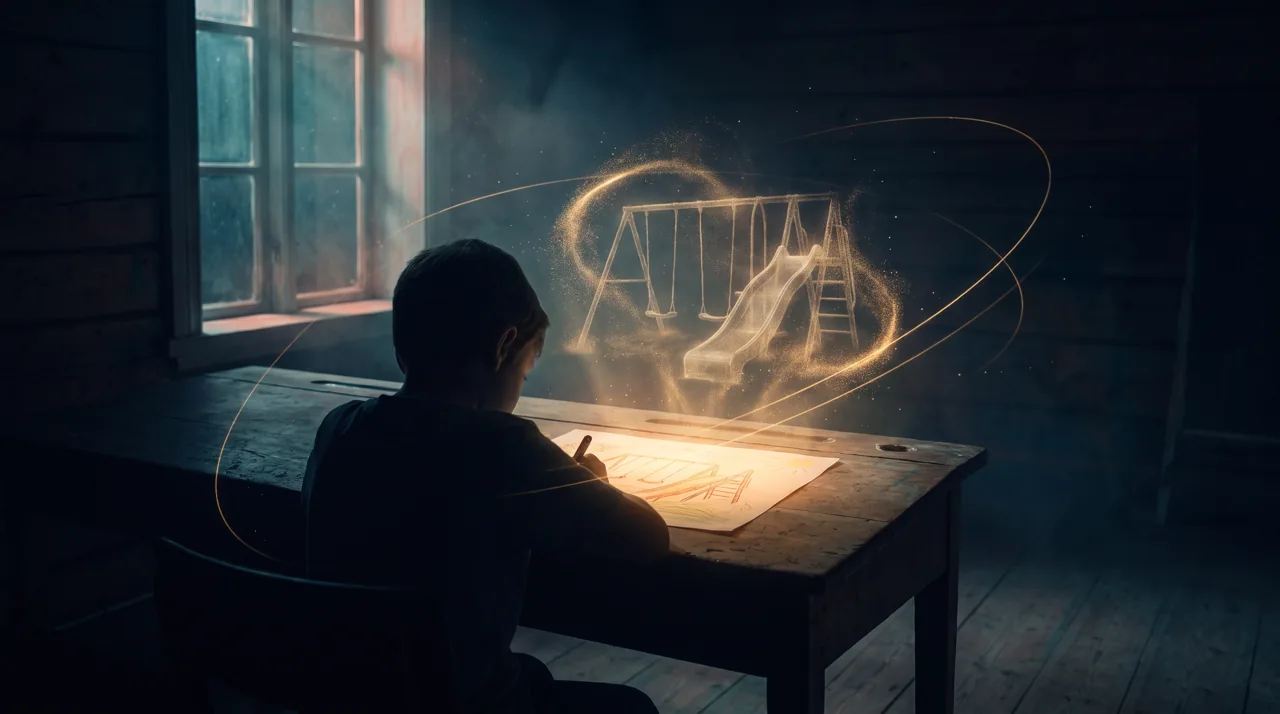
This is the playground question, and it is the most important of the seven. AI fills in whatever you leave undirected. A story gets a mood you did not pick. An image gets a background you did not describe. An answer gets an assumption you did not make. Find the additions. Then decide, one by one, whether you want them.
3. Is this true, and how would I know?
AI sounds certain whether it is right or wrong. Children learn this fastest when they catch it being wrong about something they love. The habit is to pick one claim in any output and check it somewhere else. One claim. Every time. The point is not to check everything. The point is to never forget that checking is possible.
4. Did I give away anything personal?
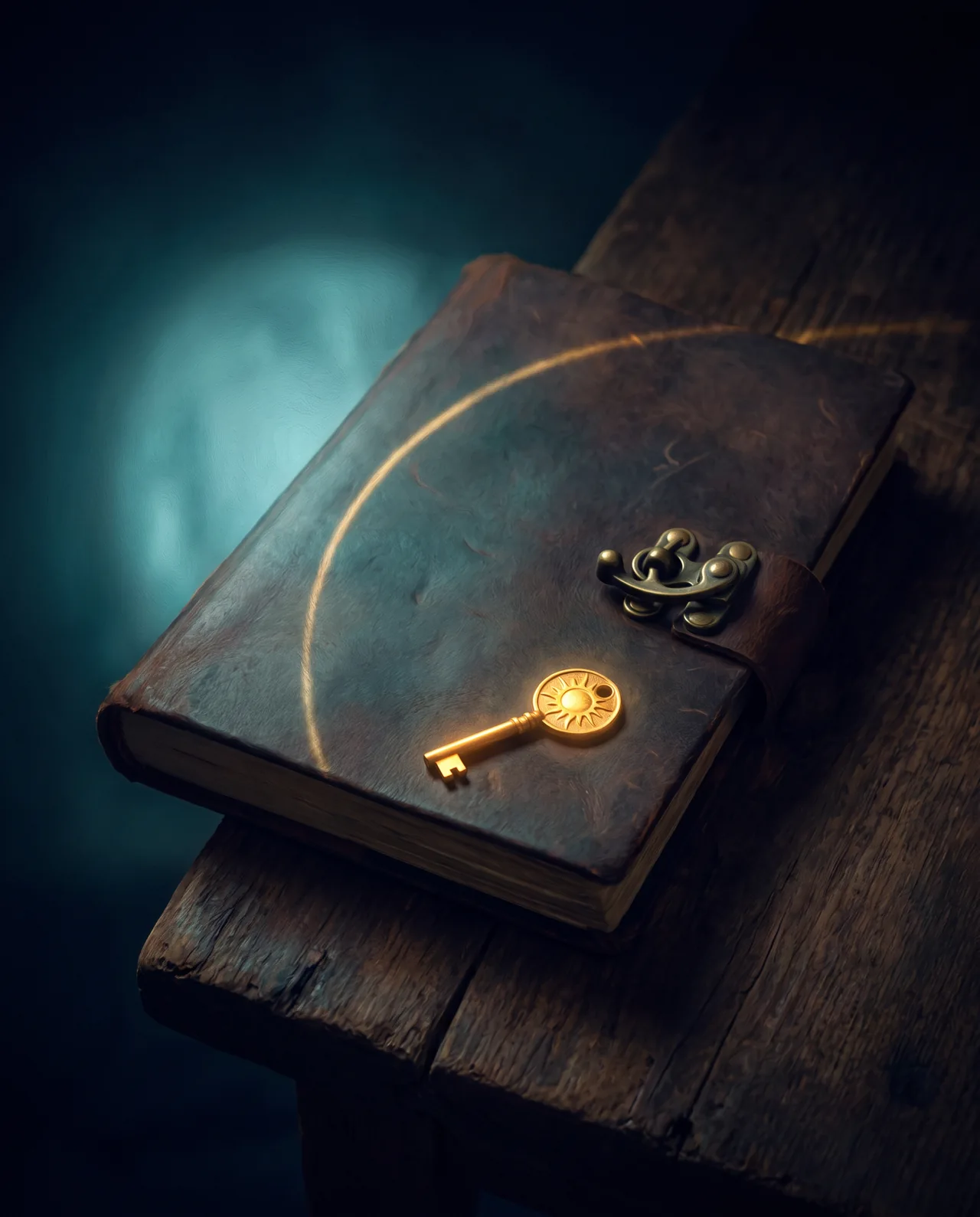
Before any prompt goes in, scan it for the four things that do not belong: full name, school, address, and face. Children are remarkably good at this rule once it is made concrete. We teach them that the tool does not need to know who they are to help them, and that anything typed in can be kept. The diary stays closed. The key stays with them.
5. Whose work is this now?
If I cannot explain why I kept it, I did not choose it.
After an AI has helped, the child should be able to point to what is theirs. The idea. The decisions. The parts they changed. If the honest answer is that the machine did the thing and they typed a request, then it is not their work yet, and the next step is to take it back. Change it. Direct it. Make a choice the tool did not make.

6. Who am I crediting?
The third pledge line is "I will protect what is personal and credit what is shared." If AI helped, say so. If a friend's idea is in there, name them. If a style was borrowed from an artist, know whose. Children have a native sense of fairness about credit. The skill is simply applying it to a tool that never asks for any.
7. Would I be proud to show this?

The last question is not about the tool at all. It is the question that makes a child the author. Would you put your name on this and show it to the person whose opinion you care about most? If yes, it is finished. If no, you know what to do next.
How we use the seven
In the Studio these are not a worksheet. They are a rhythm. Every time the machine returns something, the room runs the seven out loud, fast, as a group. By the second night, students are running them silently on their own. By the third, they are correcting each other.
That is what we mean by judgment. Not a rule set. A reflex. A child who has this reflex will be fine with any tool that arrives in the next twenty years, because the reflex is not about the tool. It is about them.
Print this. Tape it up. Ask your child to teach it to you. They will be better at it than you expect.